Nearly 23,000 passengers have used special assistance at Lithuanian Airports this year
- News
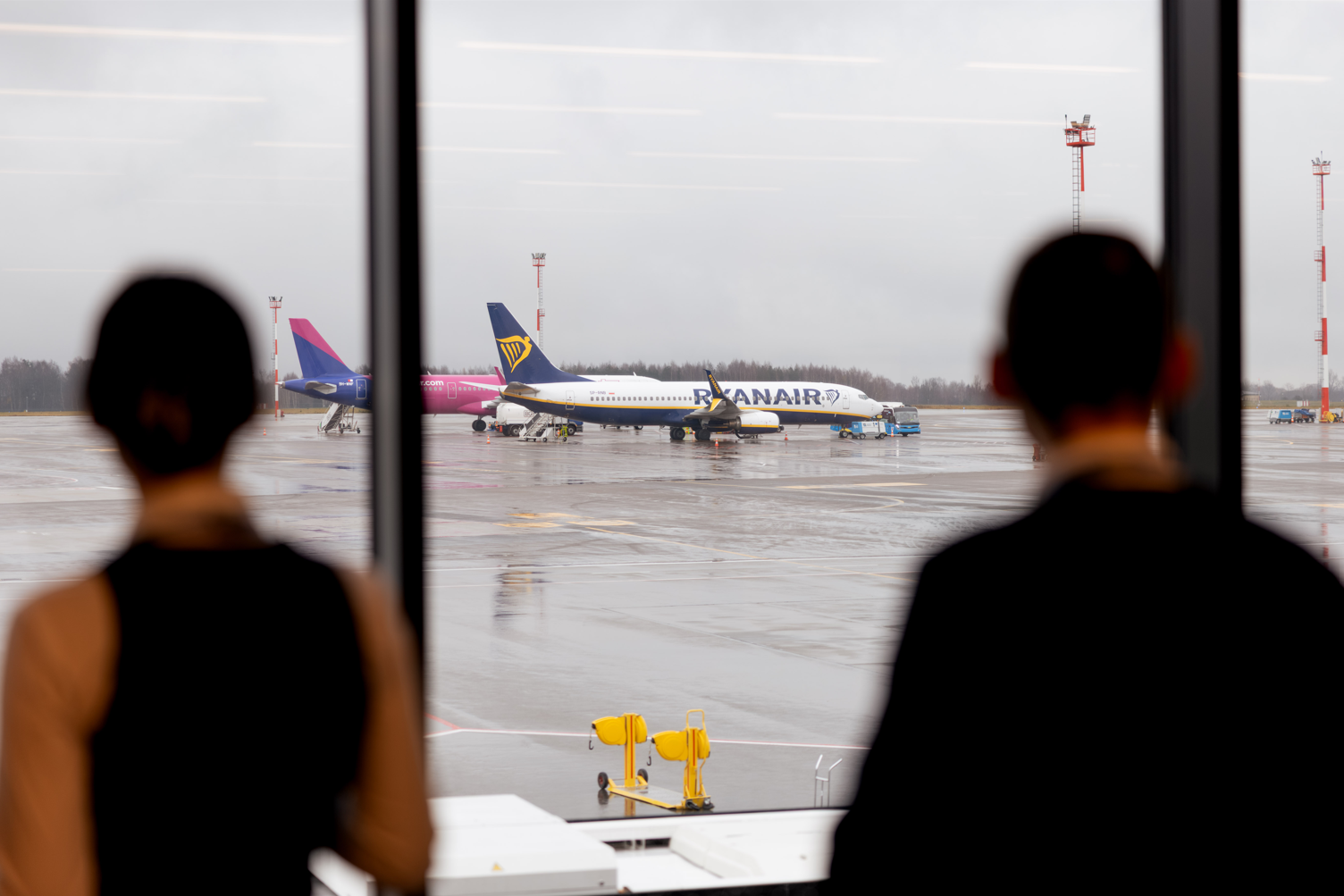
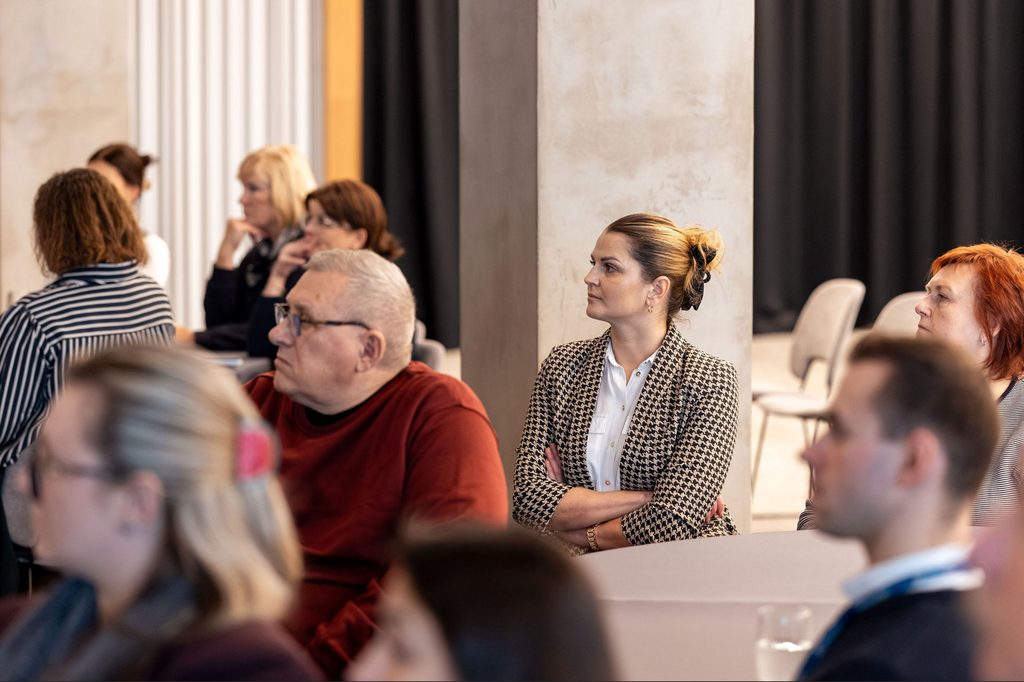
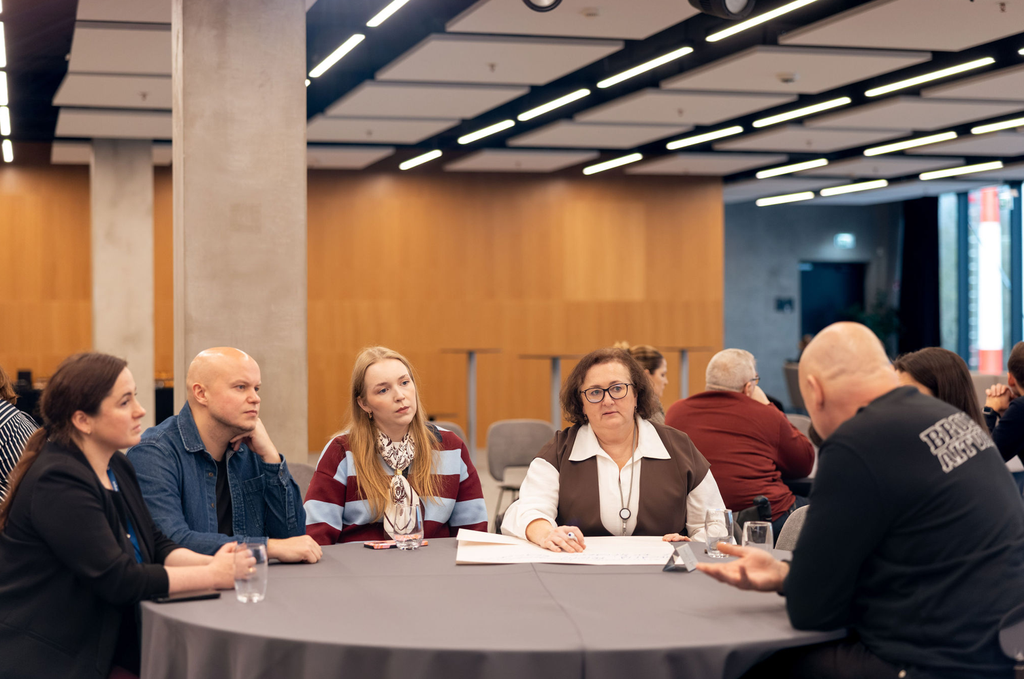
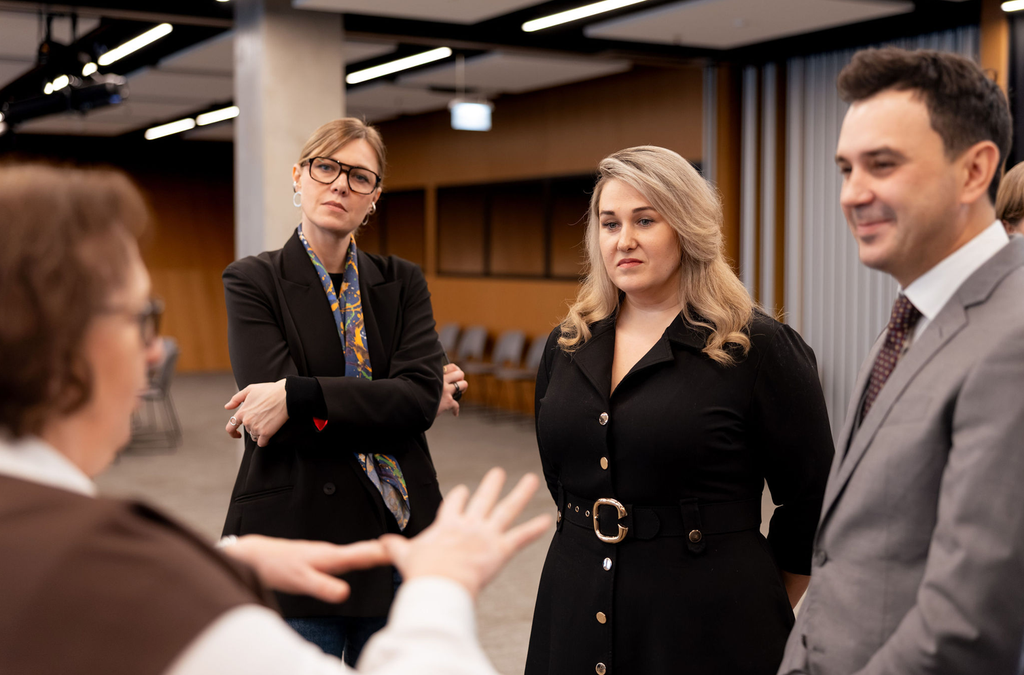
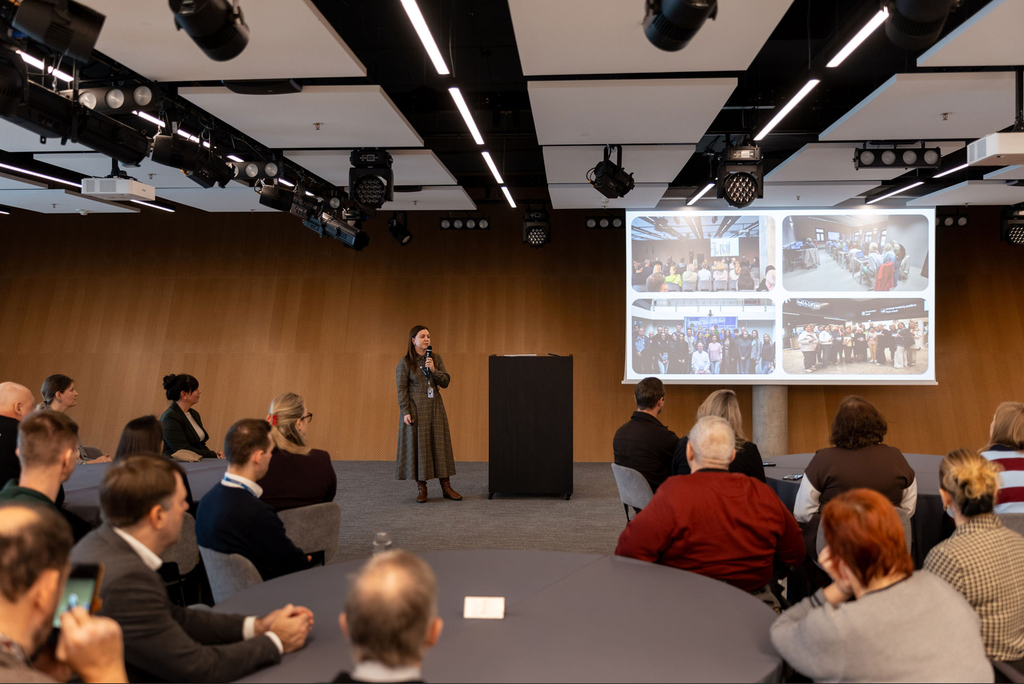
Nearly 23,000 passengers have used free special assistance at Lithuanian Airports this year – 15% more than during the same period last year. To make travel easier for passengers with individual needs, Lithuanian Airports brought together organisations representing them for the fourth year running. At the meeting on 17 November, participants discussed progress over the past year, the challenges passengers still face and priorities for future plans.
“For many people, flying is an opportunity to explore and discover, but that opportunity depends on accessibility. Today showed that meetings like this work better than formal working groups: we are acting on the feedback and suggestions we hear. Next year, the airport will have a sensory room, more accessible toilets in different areas and many other improvements to make journeys as smooth and comfortable as possible,” says Lukas Paškevičius, Vice-Minister of Transport and Communications.
“A passenger’s journey is made up of many small details. What seems simple to one person can be a barrier to another, so hearing different experiences matters to us. These meetings help us understand what works, what still needs improving and what to consider when planning future projects. For example, we shared last year’s recommendations with the team designing Vilnius Airport’s new arrivals terminal,” says Diana Bankauskienė, Acting CEO of Lithuanian Airports.
More passengers use special assistance at Lithuanian Airports each year: 15,000 in 2023, 18,000 in 2024 and 23,000 in 2025. Around 26,000 passengers are expected to use the service in 2026. According to the Acting CEO, this growth reflects greater passenger confidence. Knowing that help will be available at the airport gives people more confidence to travel and ask for support.
More accessible spaces and assistance that meets passengers’ needs
Passengers’ individual needs are an essential part of how Lithuanian Airports plans its facilities and services. The aim is to help passengers complete as much of their journey as possible independently, with support readily available when needed.
All three airports have lifts, ramps, accessible toilets, waiting areas and assistance call buttons. Tactile paths help passengers find their way around Vilnius and Kaunas airports. All three airports also have information screens adapted to passengers’ needs, information in Braille, seating with armrests and a separate security screening area for passengers with individual needs.
The airports also take part in the international Hidden Disabilities Sunflower initiative. A sunflower lanyard helps staff recognise passengers who may need more time, attention or support, even if their needs are not immediately visible.
Free assistance from the moment you arrive
Free special assistance at Vilnius, Kaunas and Palanga airports covers the entire journey through the airport, from meeting passengers and helping with luggage to guiding them through checks and helping them board the aircraft. On arrival, staff meet passengers on board and, depending on their needs, accompany them to the point where they leave the airport.
Passengers can request help when they reach the airport by pressing an assistance call button or speaking to check-in staff. To help the team prepare, passengers are encouraged to book assistance when buying their ticket or notify their airline or travel agent at least 48 hours before the flight.
“We want passengers to feel comfortable asking any member of our team for help and to know they will be understood. That is why all Lithuanian Airports employees must complete training on assisting passengers with individual needs. Everyone should know how to ask what support a person needs, how to provide it and who to involve when necessary. These everyday interactions shape the experience passengers take away with them,” says Aušra Burškienė, Project Manager for Individual Passenger Needs and Mobility at Lithuanian Airports.
Detailed information on assistance and preparing for travel is available on the Vilnius, Kaunas and Palanga airport websites.